
Understanding Public Transportation Accident Claims: Navigating the Complexities of a Shared Journey
Public transportation serves as a vital artery in the lifeblood of urban mobility, connecting communities, supporting economies, and reducing environmental impact. However, the bustling networks of buses, subways, and trains can also be the scene of unforeseen accidents, leaving passengers with questions about safety, liability, and their rights. In moments of distress, understanding the ins and outs of public transportation accident claims becomes crucial for those affected. This article seeks to illuminate the often-complex landscape of these claims, guiding readers through the necessary steps to seek justice and compensation after an incident. By unpacking the legal intricacies, exploring potential liabilities, and providing practical insights, we aim to empower individuals to navigate their paths toward clarity and resolution in the aftermath of a public transportation accident.

Navigating the Complex Landscape of Public Transportation Accident Claims
Public transportation accidents can result in significant physical, emotional, and financial burdens for the victims involved. Understanding the nuances of liability in these cases is crucial, as multiple parties may share responsibility, complicating the claims process. Victims must determine whether the driver, the transportation agency, or even a third-party entity contributed to the accident. This often requires careful examination of the circumstances surrounding the incident, as well as any negligence involved.
When pursuing a claim, it is essential to gather comprehensive evidence. Key elements that can strengthen your case include:
- Accident Reports: Official documentation from law enforcement can provide insight into the events leading up to the accident.
- Witness Statements: Independent accounts from bystanders can help establish the facts of the incident.
- Medical Records: Detailed documentation of injuries sustained helps to quantify damages.
- Photographic Evidence: Visuals of the accident scene can serve to corroborate personal accounts and highlight unsafe conditions.
Given the complexities of these claims, it’s advisable to consult with a legal professional who specializes in public transportation accidents. They can assist in navigating the often murky waters of liability and ensure that your rights are protected throughout the process. Certain factors may influence the timeline and potential outcomes of your claim, such as:
| Factor | Impact on Claim |
|---|---|
| Type of Transportation | Differing regulations apply to buses, trains, and other public systems. |
| Extent of Injuries | Severe injuries may warrant larger settlements. |
| Liability Distribution | Shared liability can complicate the negotiation process. |
navigating public transportation accident claims requires vigilance and an understanding of the various stakeholders involved. With the proper documentation and expert legal advice, victims can effectively advocate for their rights and seek the compensation they deserve.

Key Factors Influencing Liability and Compensation in Public Transit Incidents
When exploring the complexities of liability and compensation in public transit incidents, various elements come into play, each influencing the outcome of claims significantly. Understanding these factors can provide clarity for victims seeking redress and for those managing public transport systems.
- Negligence: The core of most liability claims stems from the concept of negligence. If it’s proven that the transit authority or its employees failed to uphold safety standards, liability may fall squarely on their shoulders.
- Type of Incident: Different incidents such as collisions, falls, or assaults can lead to varying compensation frameworks. Each scenario will have its nuances, affecting how claims are evaluated.
- Injury Severity: The extent of injuries sustained plays a critical role in determining compensation. Serious injuries with long-term implications often lead to higher settlements due to increased medical costs and loss of income.
- Jurisdiction and Regulations: Local laws and transit regulations can influence the liability landscape. Understanding the specific legal context in which the incident occurred is crucial for assessing potential claims.
Moreover, an intricate understanding of the procedural aspects of claiming compensation can aid victims in navigating the often complex legal framework. It’s essential to examine:
| Factor | Impact on Claim |
|---|---|
| Documentation | Strong evidence supports higher chances of successful claims. |
| Timeliness | Filing claims within statutory limits is crucial for admissibility. |
| Witness Accounts | Eyewitness testimonials can corroborate the claimant’s story. |
Ultimately, thorough investigation, legal guidance, and understanding each of these influencing factors can significantly aid individuals in pursuing their claims following public transit accidents. Each case presents its unique challenges and opportunities, requiring careful analysis and consideration of all relevant aspects.
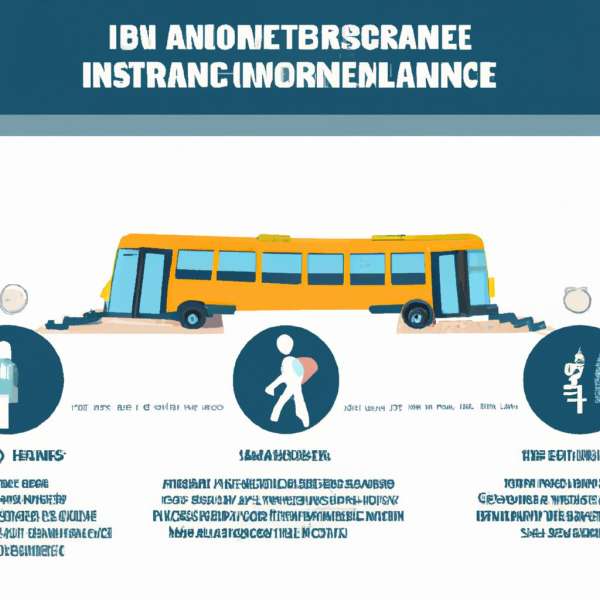
The Role of Insurance in Public Transportation Accidents: What You Need to Know
When it comes to accidents involving public transportation, understanding the role of insurance is crucial for both passengers and operators. In most cases, public transit systems are required to carry a specific type of insurance known as liability insurance. This coverage is designed to protect against claims brought by injured passengers or third parties affected by an accident. Typically, the main components of such insurance might include:
- Liability Coverage: Protects the transit authority from claims for injuries or property damage caused by their vehicles.
- Uninsured/Underinsured Motorist Coverage: Offers additional protection if an accident involves a vehicle that isn’t adequately insured.
- Medical Payments Coverage: Covers medical expenses for injured passengers, regardless of fault.
In the aftermath of an accident, the process of filing a claim can become complex, often depending on various factors, such as the nature of the accident and the parties involved. One essential aspect to consider is how liability is assessed. In many cases, state laws govern who is at fault, leading to either comparative or contributory negligence rules. Here’s a simplified view of how liability assessments can impact claims:
| Type of Negligence | Effect on Claims |
|---|---|
| Comparative Negligence | Damages awarded proportionally based on degree of fault. |
| Contributory Negligence | Can bar recovery if the claimant is found at fault. |
Moreover, it’s essential to recognize that while public transportation systems have overarching insurance policies, individual operators may carry personal insurance that offers additional layers of protection. This interplay can complicate claims further, as it may require navigating both the public transit system’s liability and the private coverage of the involved parties. In essence, understanding the different types of insurance and how they interact can empower passengers to effectively advocate for their rights and pursue fair compensation following an accident.

Practical Steps for Filing a Successful Public Transportation Accident Claim
Filing a public transportation accident claim can be a daunting process, but by following a structured approach, you can increase your chances of receiving the compensation you deserve. Start by gathering **essential documentation**. This includes:
- Accident Report: Obtain a copy of the official accident report from the transportation authority.
- Medical Records: Collect all medical documents, including hospital bills and treatment records related to the accident.
- Witness Statements: If possible, gather contact information and testimonials from witnesses who were present during the incident.
- Photographic Evidence: Take pictures of the accident scene, your injuries, and any property damage.
Next, it’s crucial to understand the **legal framework** that governs public transportation accidents, which can differ from standard vehicle crashes. Often, claims are filed against government entities, necessitating adherence to specific procedures and deadlines. Research your local laws regarding **notice periods** for filing claims, as these can vary widely. Don’t hesitate to seek advice from a lawyer who specializes in personal injury and public transportation cases; they can guide you through the complexities of legal processes.
consider the **calculation of damages**. It’s not enough to simply state your expenses; you should itemize all your damages comprehensively. Prepare a breakdown similar to the example below:
| Type of Damage | Estimated Cost |
|---|---|
| Medical Expenses | $2,000 |
| Lost Wages | $1,500 |
| Pain and Suffering | $3,000 |
| Property Damage | $800 |
Being thorough in your documentation, understanding relevant laws, and clearly outlining your damages will empower you to navigate the process of filing a public transportation accident claim more effectively. Each step taken plays a significant role in securing a favorable outcome.
Insights and Conclusions
navigating the complexities of public transportation accident claims can feel overwhelming, but knowledge is a powerful ally. Understanding your rights, the intricacies of liability, and the options available for compensation can empower you in the wake of an unfortunate event. Whether you find yourself dealing with medical bills, lost wages, or emotional distress, awareness of the legal landscape is crucial. Remember, every journey is unique, and as with any path, seeking professional guidance can illuminate your way forward. By equipping yourself with the right information and resources, you can turn a daunting experience into a manageable one. Safe travels, and may your future be incident-free.